
Corona, California School Bus Rental and Shuttle Services
Corona, California School Bus Rental and Shuttle Services
Corona California School Bus Rental from United Coachways helps schools, camps, athletic teams, churches, and local organizations plan practical yellow school bus transportation with clear pickup times, passenger counts, routes, and return details.
Get School Bus Rental Quote Options
Send the trip date, passenger count, pickup details, and schedule. United Coachways will review the request and prepare school bus transportation options for your group.
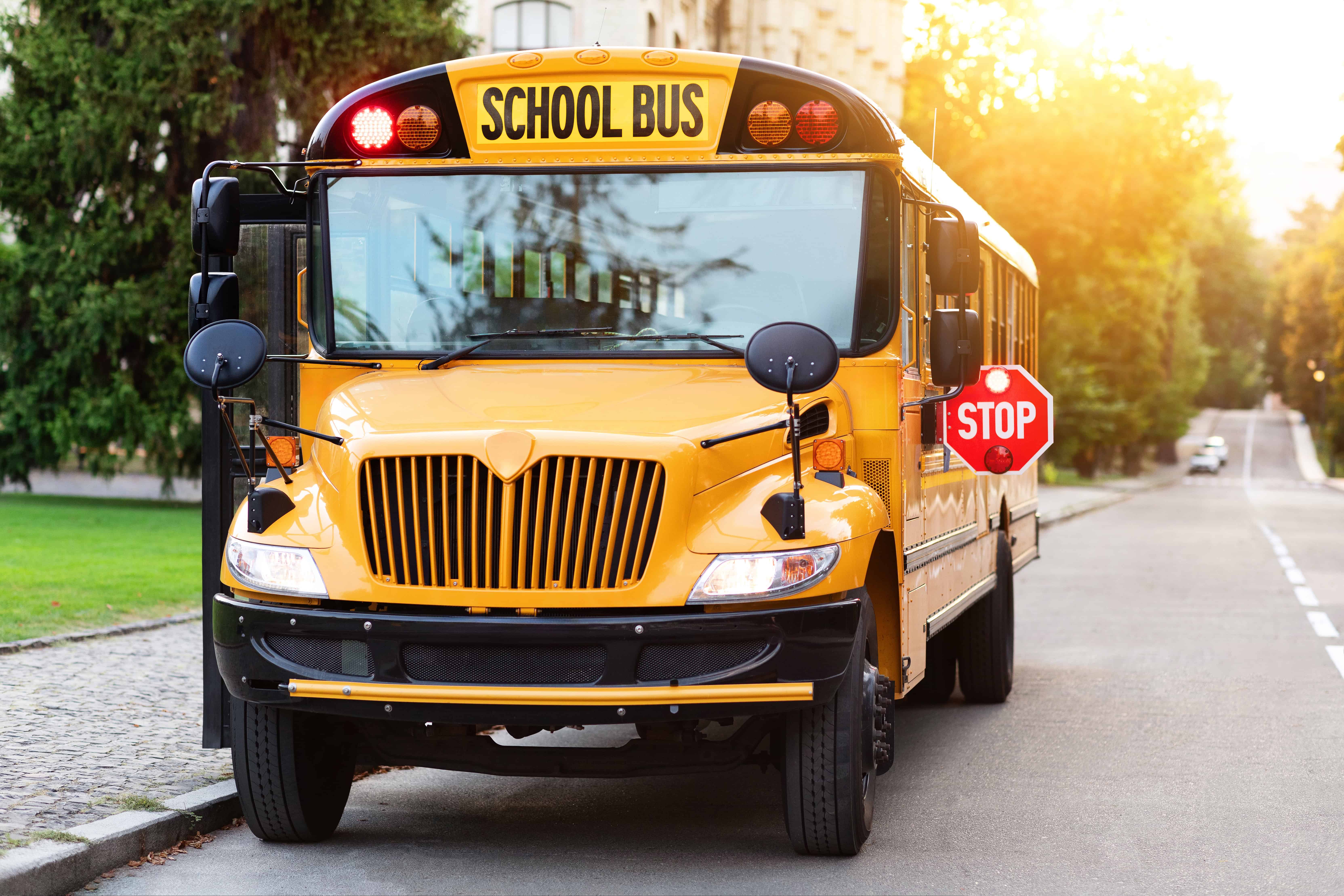
Corona School Bus Rentals for Field Trips, Teams, and Group Events
Coordinating group transportation in Corona takes more than choosing a pickup time. Schools, youth programs, recreation departments, churches, camps, and athletic organizations often need a vehicle plan that accounts for local traffic patterns, campus loading zones, parent communication, and the timing of activities across western Riverside County. A well-planned Corona California School Bus Rental can help keep the group together while simplifying the logistics for teachers, coaches, chaperones, and event organizers.
School bus transportation is a practical option for many local trips because it is built around groups that need straightforward, point-to-point service or structured routes with multiple stops. Whether your group is headed to a museum, a park, a sports complex, a youth retreat, or a community event, a school bus rental can reduce the number of personal vehicles involved and make the day easier to manage.
Corona’s location near Riverside, Norco, Eastvale, Temescal Valley, and the 91 and I-15 corridors makes transportation planning especially important. A short local outing can become more complicated when school dismissal traffic, weekend tournament schedules, or freeway congestion affects arrival times. For that reason, the best plans include clear pickup windows, assigned loading areas, contact details for the trip leader, and realistic time buffers between stops.
Groups commonly request school bus rental service for field trip transportation, school trip transportation, student transportation, youth group transportation, camp transportation, church group transportation, sports team transportation, and team travel. The right plan depends on the size of the group, the destination, the time of day, and whether the itinerary includes one direct transfer or several scheduled stops.
School Bus Service
Explore Corona School Bus and Group Transportation Options
Compare related transportation options for school groups, wedding guests, employee shuttles, concerts, and prom travel near Corona, California.
Matched Corona Transportation Pages
Related Transportation Services
Local School Trip and Youth Group Transportation Around Corona
Corona offers a useful mix of educational, recreational, cultural, and outdoor destinations for school and youth travel. Local organizers may need transportation from campuses, community centers, churches, neighborhood parks, or temporary event staging areas. A student shuttle can be helpful for short-distance movements, recurring program transportation, or events where families are meeting at one central location before the group departs together.
For schools and education-focused programs, transportation needs often vary by age group. Younger students may require more chaperone coordination and tighter loading procedures, while high school groups may need room for sports gear, instruments, project materials, or club equipment. The organizer should share these details when requesting service so the transportation plan reflects how the group will actually travel.
Local youth programs also use school bus transportation for after-school activities, seasonal camps, community service outings, and weekend trips. A group leaving from Circle City Center on North Main Street, a recreation program near Ontario Avenue, or a church group gathering in South Corona may need a route that avoids unnecessary backtracking and keeps the schedule manageable for parents and volunteers.
For sports teams, reliable timing is often the main concern. Games and tournaments may require early arrivals, staged equipment loading, and later return trips after unpredictable end times. Coaches planning sports team transportation should account for warmups, check-in windows, meal stops, and the possibility of overtime, medal rounds, or weather-related changes. Team travel works best when the itinerary includes both the expected schedule and instructions for what should happen if the event runs long.
Camp transportation can include daily shuttles, one-time transfers, or special outings to parks, museums, and outdoor learning areas. Because summer and school-break traffic can differ from the regular school-year commute, it is helpful to confirm pickup points and departure times based on the actual trip date rather than relying only on a typical weekday estimate.
Popular Corona and California Destinations for Group Trips
Corona has several local destinations that work well for educational and recreational group outings. Corona Heritage Park & Museum at 510 W Foothill Parkway is a strong choice for local history, community heritage, and small-group learning. The Corona Model Railroad Society, located at the same Foothill Parkway address, can also be a useful stop for students interested in model railroading, engineering concepts, and transportation history.
For outdoor activities, Mountain Gate Park on South Main Street, Santana Regional Park on Santana Way, Husted Park on South Merrill Street, Stagecoach Park on Stagecoach Road, Ontario Park near West Ontario Avenue, Riverwalk Park in the northern part of Corona, and Ridgeline Park in the foothill area all offer possible destinations for recreation programs, youth outings, and community events. Park trips often require extra attention to where the bus can load and unload, where chaperones will meet the group, and how long the vehicle may need to remain nearby.
Corona groups also travel to nearby regional attractions. California Citrus State Historic Park in Riverside is a popular educational option for lessons tied to agriculture, local industry, and Southern California history. The California Citrus Historic Park Headquarters on Jackson Street may also be relevant for groups planning a more focused historical visit. For natural science and environmental learning, Hidden Valley Nature Center in Riverside can provide a setting for outdoor education, nature walks, and youth programming.
The World Museum of Natural History at La Sierra University in Riverside can serve school groups interested in natural science topics, while Pikes Peak Park in Norco may appeal to groups planning equestrian-adjacent events, community gatherings, or recreation outings near the George Ingalls Equestrian Event Center area. Tom’s Farms in Temescal Valley is another well-known regional stop for casual group visits, market outings, and youth activities.
Arts-focused groups may plan transportation to Art Studio Pillar on North Main Street or The Arts Colony on Taylor Avenue. These smaller creative destinations may require more detailed pickup and drop-off planning because curb space, parking access, and group staging areas can vary by time of day and nearby business activity. For any destination, organizers should confirm arrival instructions directly with the venue before finalizing the bus schedule.
Planning Pickups, Drop-Offs, and Multi-Stop Routes
Good pickup and drop-off planning is one of the most important parts of a successful group trip in Corona. The organizer should identify the exact starting point, the preferred loading area, the number of passengers expected, and the time the group must be fully boarded. If students or youth participants are being checked in by adults, the schedule should allow enough time for attendance, name tags, wristbands, equipment loading, and chaperone instructions.
For campus departures, it is important to consider whether the bus will load near a main entrance, athletic field, gym, auditorium, or side lot. For parks and community locations, the plan should identify a safe and practical place for the group to gather before boarding. This is especially helpful at larger locations such as Mountain Gate Park, Santana Regional Park, or Riverwalk Park, where different entrances or parking areas may cause confusion if they are not clearly described in advance.
Multi-stop routes are common for programs that serve students from different neighborhoods, churches with several gathering points, sports teams picking up athletes at more than one location, or camps that operate from multiple facilities. When building a route, organizers should avoid adding stops too casually. Every additional stop can affect timing, passenger tracking, and communication. A route that looks simple on a map may take longer during school traffic, evening commuter periods, or busy weekend event times.
A strong route plan should include:
- The full address and a brief description of each pickup and drop-off point.
- The number of passengers expected at each stop.
- The name and mobile contact for the lead adult at each location.
- Any time restrictions, gates, campus access notes, or venue loading instructions.
- Whether the bus should wait, return later, or continue to another stop.
For return trips, organizers should plan where parents, guardians, or participants will meet the bus. A clear return plan can reduce confusion at night, after tournaments, or after field trips when participants may be tired and eager to leave. If the trip includes younger students, the check-out process should be planned before departure so chaperones know who is authorized to leave with each child.
School Bus vs. Mini Bus vs. Charter Bus for Corona Groups
A school bus is often a practical fit for local and regional trips where the group needs simple transportation without premium amenities. Many schools, camps, youth ministries, recreation programs, and teams choose a school bus rental for short-distance trips, local events, and direct transportation between Corona and nearby destinations in Riverside, Norco, Eastvale, or Temescal Valley.
A mini bus may be more appropriate for smaller groups, adult groups, or itineraries where maneuverability and a more compact vehicle are important. For example, an arts group, small church outing, or staff-led student group may not need a full-size vehicle. A mini bus can also be useful when the destination has tighter parking or when the passenger count is too small for a larger bus to make sense.
A charter bus may be a better match for longer-distance travel, extended ride times, or groups that want additional comfort features. While a school bus may work well for many local field trips, a longer trip from Corona to destinations outside Riverside County may require a different vehicle type depending on distance, passenger needs, luggage, and schedule. The choice should be based on the itinerary rather than only the group size.
For school trip transportation, the most important questions are how far the group is traveling, how long passengers will be on board, whether the group needs space for gear, and how many separate stops are involved. Sports teams should also consider equipment volume. A team traveling with coolers, uniforms, practice bags, training supplies, or tents may need a different setup than a classroom group traveling with backpacks and lunches.
If you are not sure which option fits your group, prepare the core trip details before asking for guidance: passenger count, trip date, start and end addresses, destination, departure time, return time, and any stops in between. Those details make it easier to compare a school bus, mini bus, or charter bus option for your specific Corona itinerary.
What Affects School Bus Rental Pricing in Corona
School bus rental pricing in Corona can vary based on the trip details. The most common factors include the date of service, day of the week, time of day, total distance, total service time, routing complexity, and vehicle type. A short weekday transfer within Corona may be planned differently than an all-day field trip to Riverside or a weekend sports tournament with a flexible return time.
Time is one of the biggest planning details. Transportation providers typically need to understand when the vehicle is expected to report, when passengers will board, when the group must arrive, and when the return trip should begin. If the vehicle is needed for standby time during the event, that can affect the structure of the quote. If the bus can drop off and return later, that should be clearly stated as well.
Distance and routing also matter. A direct trip from a Corona campus to Corona Heritage Park & Museum may be more straightforward than a route with several pickups across South Corona, Eastvale, and Norco before continuing to Riverside. Multi-stop routes require additional planning time and may increase total service time, especially if each stop involves passenger check-in, equipment loading, or waiting for the group to assemble.
Seasonality can also affect availability and pricing. Spring field trip season, graduation periods, summer camp schedules, fall athletics, and holiday events may create higher demand for group transportation. Organizers who know their dates early should begin planning early, especially for larger passenger counts or trips that require multiple buses.
Other details that may influence a school bus rental quote include special timing requirements, late evening returns, changes to the itinerary, parking or staging constraints, and whether the trip requires more than one vehicle. To avoid surprises, share the complete plan as early as possible and update the transportation team if the passenger count, destination, or schedule changes.
How to Get a Better Corona School Bus Rental Quote
The most useful quotes come from complete, accurate trip information. Before requesting a school bus rental quote, gather the details that affect routing, timing, and vehicle selection. Even if some details are still tentative, providing a clear draft itinerary is better than asking for a quote based only on the city and passenger count.
Start with the trip basics: date, passenger count, pickup address, destination address, preferred departure time, required arrival time, return time, and the name of the organization traveling. If the trip involves students or youth participants, include the number of adults or chaperones traveling with the group. If the bus will be transporting athletic gear, band instruments, coolers, art supplies, science materials, or camp equipment, mention that as well.
For local Corona trips, be specific about the neighborhood or site. “Pickup at the school” is less useful than a complete address and a note such as “load near the gym entrance” or “meet at the south parking lot.” For parks, list the exact park name and preferred entrance when possible. For example, a trip to Mountain Gate Park, Ontario Park, Santana Regional Park, Husted Park, Stagecoach Park, Riverwalk Park, or Ridgeline Park should include the address or nearest entrance the group intends to use.
If your group has a multi-stop itinerary, list the stops in the correct order. Include estimated passenger counts at each stop and whether anyone will be getting off before the final destination. This is especially important for student shuttle programs, youth group transportation, and church group transportation where participants may board at different locations.
It is also helpful to describe the purpose of the trip. Field trip transportation, sports team transportation, camp transportation, and community event shuttles can each involve different timing needs. A field trip may require a strict arrival time for a scheduled program, while a tournament may require flexibility around the return departure. The more context you provide, the easier it is to build a quote that reflects the real transportation need.
Finally, keep one person in charge of transportation communication. That person should be able to approve the itinerary, answer questions, confirm passenger counts, and share updates with teachers, coaches, parents, or group leaders. Clear communication helps prevent duplicate requests, conflicting pickup instructions, and last-minute confusion on the day of travel.
Local School Bus Rental FAQs for Corona
Can we rent a school bus for a Corona field trip to local museums or parks? Yes. Many groups use school bus transportation for field trips to places such as Corona Heritage Park & Museum, the Corona Model Railroad Society, Mountain Gate Park, Santana Regional Park, or nearby Riverside destinations. The trip plan should include the exact pickup location, destination address, arrival time, return time, and chaperone contact information.
Should our Corona group choose a school bus, mini bus, or charter bus? The best option depends on passenger count, ride distance, comfort needs, and the amount of gear traveling with the group. A school bus may work well for local student transportation and short regional trips, while a mini bus may fit smaller groups and a charter bus may be considered for longer travel or different onboard needs.
What factors affect the price of a school bus rental in Corona? Pricing can be affected by the trip date, total service time, mileage, vehicle type, number of buses, pickup and drop-off locations, route complexity, and whether the itinerary includes waiting time or multiple stops. A complete itinerary is the best way to receive a more accurate quote.
How should we plan pickup and drop-off for a Corona school or youth group? Choose specific loading areas, allow time for attendance and boarding, provide contact names for each location, and share any campus, park, or venue access notes in advance. For multi-stop routes, list every stop in order with expected passenger counts and timing so the route can be planned clearly.
Build a School Bus Rental Plan for Corona, California
A clear itinerary helps match your group with practical school bus rental options for local trips, events, and student transportation.