
San Francisco, California School Bus Rental and Shuttle Services
San Francisco, California School Bus Rental and Shuttle Services
San Francisco California School Bus Rental from United Coachways helps schools, camps, athletic teams, churches, and local organizations plan practical yellow school bus transportation with clear pickup times, passenger counts, routes, and return details.
Get School Bus Rental Quote Options
Send the trip date, passenger count, pickup details, and schedule. United Coachways will review the request and prepare school bus transportation options for your group.
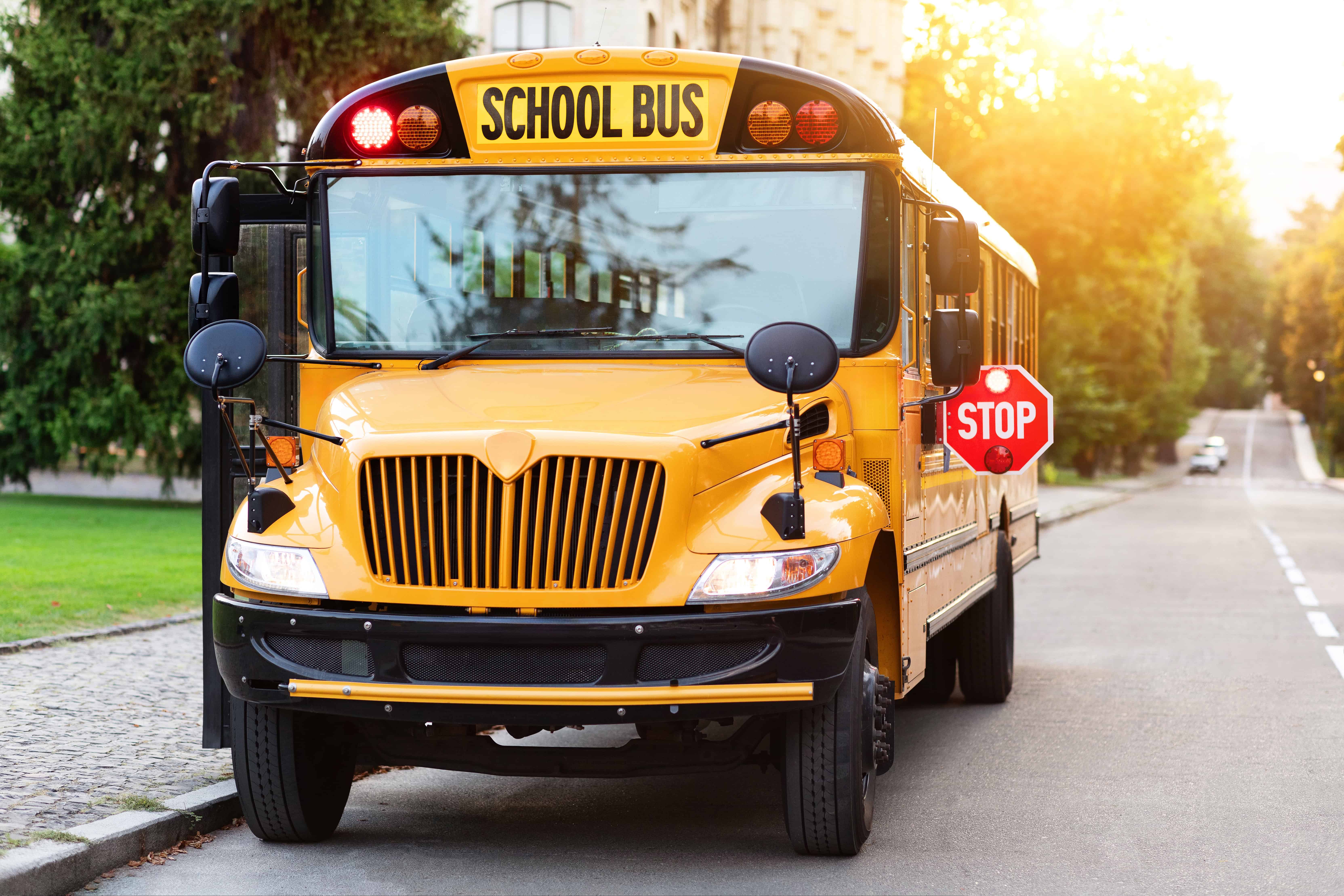
San Francisco School Bus Rentals for Field Trips, Teams, and Group Events
When your group needs dependable school bus transportation in San Francisco, planning matters as much as the vehicle itself. Dense traffic, steep streets, limited curb space, timed museum entries, and busy school calendars can all affect how smoothly a trip runs. A well-planned San Francisco California School Bus Rental helps schools, camps, churches, athletic programs, youth organizations, and community groups move together with clearer timing and fewer individual vehicles on the road.
School buses are a practical option for many local group trips because they are built around short-to-medium distance passenger movement, simple boarding, and efficient group coordination. They are commonly used for field trip transportation, school trip transportation, student transportation, youth group transportation, camp transportation, church group transportation, sports team transportation, and recurring student shuttle routes. Whether the itinerary is a single round trip to Golden Gate Park or a day with several stops across the city, the right plan helps keep students, chaperones, coaches, and organizers moving on the same schedule.
San Francisco trips often require more detail than a typical suburban route. A museum visit near the Embarcadero, a performance near Civic Center, a science lesson in Golden Gate Park, or a sports event at a campus facility may involve loading zones, walking distance from bus drop-off points, bridge or freeway timing, and neighborhood congestion. For group organizers, the best results usually come from sharing the destination address, passenger count, preferred arrival time, departure window, equipment needs, and any special pickup instructions early in the planning process.
United Coachways helps coordinate school bus rental service for groups that need practical transportation support in and around San Francisco. Instead of forcing parents or staff to navigate separate cars through city traffic, a shared bus plan can simplify the day, keep the group together, and give organizers one transportation schedule to manage.
School Bus Service
San Francisco School Bus Links for Related Group Travel
Use these quick links to move between school bus service and other group transportation pages connected to San Francisco, California.
Matched San Francisco Transportation Pages
Related Transportation Services
Local School Trip and Youth Group Transportation Around San Francisco
San Francisco is filled with educational, cultural, athletic, and community destinations that work well for organized group travel. Schools may need a morning pickup for a science museum visit, an afternoon return from an arts program, or an all-day itinerary with lunch and multiple destinations. Youth groups may need evening transportation to a church event, weekend camp transportation to a park or retreat departure point, or a simple shuttle between a school campus and an activity site.
For elementary, middle, and high school groups, school trip transportation often centers on age-appropriate destinations, predictable supervision points, and clear boarding procedures. A school bus can help keep classes together while limiting the number of personal vehicles involved. Chaperones can board with students, teachers can confirm attendance before departure, and the organizer can coordinate one shared schedule instead of multiple arrival patterns.
San Francisco youth group transportation may include after-school programs, community centers, arts organizations, scouting groups, faith-based groups, and nonprofit activities. Many of these trips involve groups leaving from a church, school, recreation center, or neighborhood meeting point and traveling to a museum, park, gym, waterfront site, or regional destination. For these groups, the most important details are often passenger count, departure time, curb access, and how long the group will remain at the destination.
Sports team transportation and team travel also benefit from clear planning. Coaches often need space for athletes, staff, water coolers, uniforms, and equipment bags. While a school bus may be appropriate for local games and practices, teams with longer travel days or larger gear requirements may want to compare vehicle options. The goal is to match the trip type to the group’s comfort, timing, and logistics instead of choosing a vehicle based only on headcount.
Student shuttle service can also be useful for recurring movement between campuses, off-site parking areas, activity facilities, and special programs. In a city where many students commute by transit, bike, walking, and shared rides, coordinated group transportation can fill important gaps for events and scheduled activities. San Francisco State University’s official commute information, for example, highlights how transportation planning is part of daily life for students in the city through its commute resources.
Popular San Francisco and California Destinations for Group Trips
San Francisco offers a wide range of destinations for educational field trips, arts programs, STEM learning, cultural enrichment, and recreation. Golden Gate Park alone can support a full day of school and youth programming, with destinations such as the California Academy of Sciences at 55 Music Concourse Drive, the Osher Rainforest and Morrison Planetarium at the same campus, the de Young Museum at 50 Hagiwara Tea Garden Drive, the Conservatory of Flowers at 100 John F. Kennedy Drive, and the San Francisco Botanical Garden at 1199 9th Avenue. Because these sites can attract heavy visitor traffic, groups should confirm arrival windows, bus loading instructions, and walking routes before the travel date.
Science and discovery-focused trips often include the Exploratorium at Pier 15 on the Embarcadero, the Randall Museum at 199 Museum Way, Mission Science Workshop at 3750 18th Street, and the Children’s Creativity Museum at 221 4th Street. These destinations are especially popular for field trip transportation because they support hands-on learning, scheduled entry times, and chaperoned group programming. When a class has a timed workshop or guided experience, transportation timing becomes a key part of the day.
Art and history groups have many strong options throughout the city. The San Francisco Museum of Modern Art at 151 3rd Street, the Asian Art Museum at 200 Larkin Street, the Legion of Honor at 100 34th Avenue, the Museum of Craft and Design at 2569 3rd Street, the International Art Museum of America at 1025 Market Street, the American Bookbinders Museum at 355 Clementina Street, and the Fine Arts Museums of San Francisco can all fit different curriculum goals. For historical learning, San Francisco Maritime National Historical Park and the Society of California Pioneers at 300 4th Street offer additional opportunities for students and community groups.
School bus rental service may also be used for trips beyond the city. Groups may travel to regional parks, Bay Area campuses, athletic tournaments, camps, performing arts events, or California destinations outside San Francisco. Longer trips should be planned with extra attention to travel time, rest stops, pickup sequencing, luggage or equipment, and the group’s return schedule. Even for a short local trip, it is helpful to provide the exact destination name and address rather than only a neighborhood, since two locations in San Francisco can be close on a map but very different in traffic and loading conditions.
Planning Pickups, Drop-Offs, and Multi-Stop Routes
Pickup and drop-off planning is one of the most important parts of a successful San Francisco bus trip. A school parking lot, church driveway, recreation center entrance, or curbside loading area may work well at one time of day and become difficult during dismissal, commute peaks, delivery activity, or neighborhood events. When requesting transportation, organizers should identify the safest practical boarding point, the preferred bus arrival time, the group’s departure time, and who will be present to check students or participants in.
For schools, it is useful to separate student loading time from actual departure time. If the bus needs to leave at 8:30 a.m., the group may need students assembled earlier so attendance can be taken, chaperones can board, and any last-minute instructions can be handled without delaying the itinerary. For museum trips, the requested arrival time should account for unloading, walking from the drop-off point, restroom breaks, and check-in at the destination.
Multi-stop routes require even more detail. A youth organization may need to collect participants from several neighborhood locations before heading to a camp departure point. A team may need to stop at a school, then a practice facility, then a tournament venue. A student shuttle may need scheduled loops between a campus and an off-site activity. In each case, the route should be built around realistic travel times, not only mileage. San Francisco’s hills, one-way streets, bus restrictions, construction, and event traffic can all change how long a short route takes.
Drop-off planning is just as important as pickup planning. Organizers should know whether the bus will wait, return later, or continue elsewhere. If the group is attending a museum, show, athletic event, or outdoor program, the return pickup point should be easy for chaperones and students to find. A clear departure meeting location helps prevent confusion at the end of the day, especially in busy areas such as the Embarcadero, Golden Gate Park, Civic Center, SoMa, and Fisherman’s Wharf.
Communication also helps. Provide a trip leader’s mobile number, the name of the school or organization, any special gate or entrance instructions, and the expected passenger count. If the group includes younger students, large equipment, mobility considerations, or multiple chaperone groups, share those details while planning so the transportation schedule can be built around real conditions.
School Bus vs. Mini Bus vs. Charter Bus for San Francisco Groups
A school bus is often a practical choice for local group movement, especially when the priority is efficient transportation for students or youth participants over a short-to-medium distance. School buses are commonly used for field trips, camp programs, after-school activities, sports practices, local competitions, and community outings. They are typically straightforward for boarding and can be a cost-conscious option when luxury amenities are not the focus.
A mini bus may be a better fit for smaller groups, adult chaperone teams, campus visits, staff outings, or trips where the passenger count does not justify a larger vehicle. Mini buses can also be useful in areas where curb space is tight, though exact suitability depends on the route, destination, and group size. If a school group has fewer passengers or needs a more compact vehicle for an urban itinerary, a mini bus may be worth comparing.
A full-size charter bus may be preferred for longer travel, adult groups, university outings, regional tournaments, or trips where comfort features are more important. Depending on the vehicle arranged, charter buses may offer a different ride experience than a traditional school bus. For longer California travel days, groups often ask about comfort, luggage space, and onboard features. Those needs should be discussed before booking so the recommended vehicle type matches the trip.
The right choice depends on more than passenger count. Consider the age of the riders, distance, time onboard, destination access, budget priorities, luggage or equipment, chaperone needs, and whether the group will make multiple stops. For example, an elementary class visiting the California Academy of Sciences may have different transportation needs than a high school team traveling to an out-of-city tournament or a church youth group heading to a weekend camp. A clear trip description makes it easier to compare school bus, mini bus, and charter bus options.
What Affects School Bus Rental Pricing in San Francisco
School bus rental pricing in San Francisco depends on the details of the trip. There is no single citywide price that applies to every group because each itinerary uses time, routing, vehicle resources, and scheduling differently. A short local transfer, a half-day field trip, a recurring student shuttle, and an all-day multi-stop route can all be priced differently based on what is required.
The most common pricing factors include the date of service, day of the week, season, pickup location, destination, estimated mileage, total service time, requested vehicle type, passenger count, number of stops, and whether the bus needs to wait during the event. Travel during busy school seasons, weekends, holidays, major city events, and peak commute windows may also affect availability and planning. Groups traveling over bridges or outside San Francisco should include those details early so the route can be evaluated correctly.
Time is especially important. Many school bus rental requests are built around a minimum service window, and additional time may change the cost. If a museum entry is delayed, a game runs long, or a group adds an unplanned stop, the transportation schedule may be affected. Organizers should build a realistic itinerary with enough buffer for loading, unloading, walking, attendance checks, and city traffic.
Vehicle type can also influence pricing. A school bus, mini bus, and charter bus may have different cost structures because they serve different trip types. The most affordable option is not always the best option if it does not fit the group’s route, duration, or comfort needs. Similarly, the largest vehicle is not always necessary for a smaller group with a simple local itinerary. Accurate passenger counts and honest trip expectations help create a better estimate.
For recurring student transportation, pricing may also depend on frequency, route consistency, service times, and the number of days requested. A daily or weekly student shuttle requires different planning than a one-time field trip. When possible, provide a calendar of dates, bell times or program times, and any days when service will not be needed.
How to Get a Better San Francisco School Bus Rental Quote
The best way to receive a useful school bus rental quote is to provide complete trip information from the start. A detailed request helps transportation coordinators understand the route, schedule, vehicle needs, and potential complications before pricing is discussed. It also reduces back-and-forth and helps avoid assumptions that may not match the actual trip.
Before requesting a quote, gather the group name, trip date, passenger count, pickup address, destination address, requested arrival time, return pickup time, and whether the bus should remain on site or return later. If the trip includes multi-stop routes, list each stop in order with approximate times. If the group needs space for sports gear, musical instruments, coolers, science materials, luggage, or camp supplies, include that as well.
For school trips, provide the grade level or general age range, the number of chaperones, and any schedule requirements tied to museum entry, performance start times, tournament brackets, or classroom programming. For camp transportation or church group transportation, note whether the group is traveling one way, round trip, or on a repeating schedule. For sports team transportation, include equipment details and whether the itinerary may change depending on game times.
It is also helpful to mention local constraints. If the pickup location has a narrow street, limited bus access, a specific gate, a security desk, or a preferred loading zone, share that information. If the destination has provided bus instructions, include them with the quote request. San Francisco destinations such as museums in Golden Gate Park, waterfront attractions, and downtown venues may have specific loading guidance that can affect timing.
Once the initial school bus rental quote is prepared, review the itinerary carefully. Confirm the date, times, addresses, passenger count, vehicle type, and any waiting time or return details. If your schedule changes, update the transportation plan as soon as possible. Clear information is the strongest tool for building a smoother trip and avoiding preventable confusion on the day of service.
Local School Bus Rental FAQs for San Francisco
Can we rent a school bus for a San Francisco field trip to museums in Golden Gate Park? Yes. Groups often use school bus transportation for trips to destinations such as the California Academy of Sciences, de Young Museum, Conservatory of Flowers, Morrison Planetarium, and San Francisco Botanical Garden. Share the exact address, entry time, passenger count, and loading instructions when planning.
Should our San Francisco group choose a school bus, mini bus, or charter bus? A school bus is often practical for local student transportation and youth trips, a mini bus may suit smaller groups, and a charter bus may be better for longer travel or added comfort needs. The best choice depends on passenger count, distance, schedule, equipment, and destination access.
What affects the cost of a school bus rental in San Francisco? Pricing can depend on the trip date, pickup and destination addresses, total service time, mileage, vehicle type, number of passengers, number of stops, waiting time, and whether the trip occurs during busy travel periods or special city events.
How should we plan pickup and drop-off for a school or youth group in San Francisco? Choose a safe loading area, allow time for attendance and boarding, provide exact addresses, and confirm where the group will meet the bus after the event. For multi-stop routes, list each stop in order with realistic timing for traffic, loading, and unloading.
Get Help Planning San Francisco School Bus Service
Tell us where the group is going, how many riders are traveling, and what timing matters most for the day.