
St. Paul, Minnesota School Bus Rental and Shuttle Services
St. Paul, Minnesota School Bus Rental and Shuttle Services
St Paul Minnesota School Bus Rental from United Coachways helps schools, camps, athletic teams, churches, and local organizations plan practical yellow school bus transportation with clear pickup times, passenger counts, routes, and return details.
Get School Bus Rental Quote Options
Send the trip date, passenger count, pickup details, and schedule. United Coachways will review the request and prepare school bus transportation options for your group.
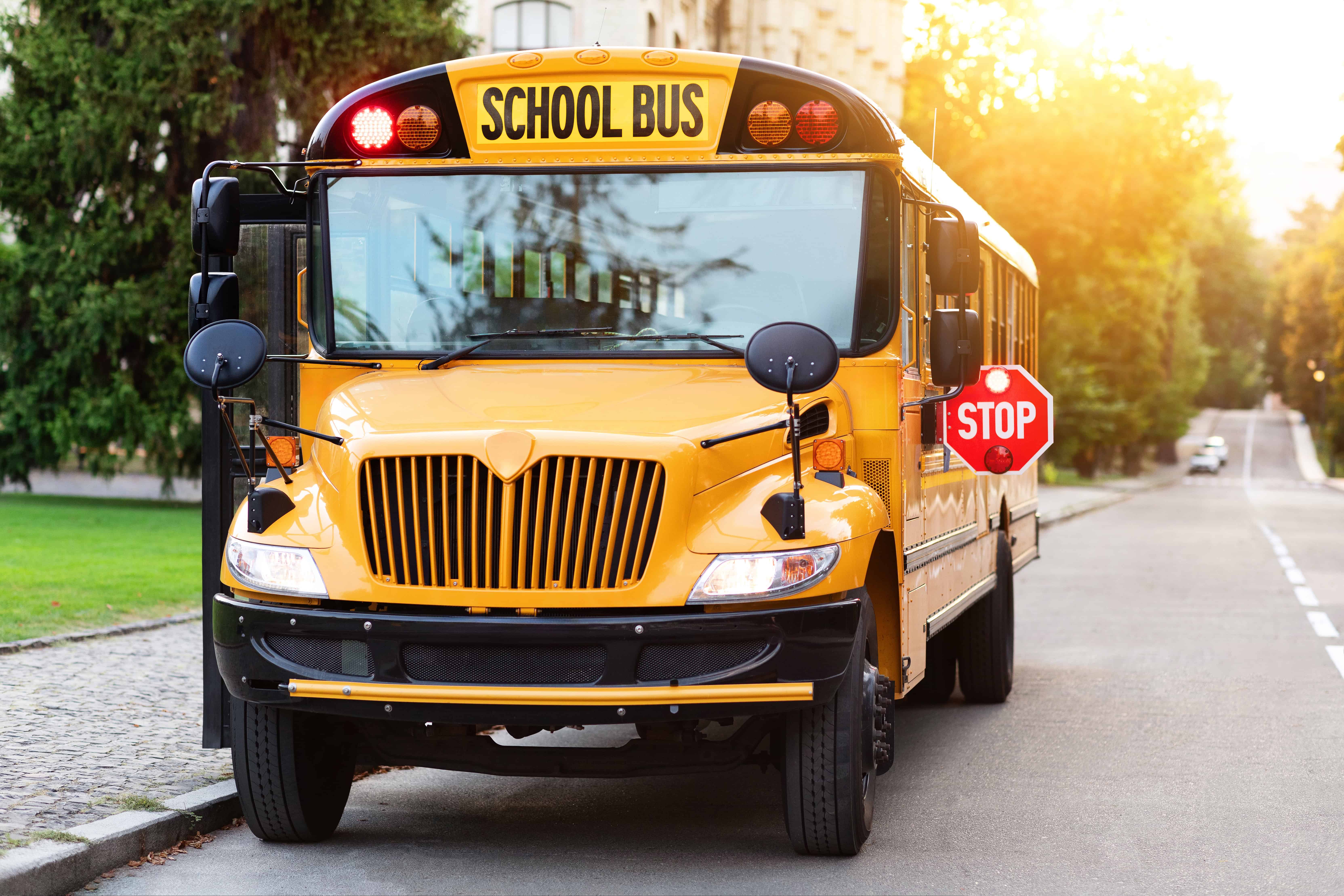
St Paul School Bus Rentals for Field Trips, Teams, and Group Events
When a class, club, camp, athletic team, or community group needs reliable group transportation in Minnesota’s capital city, a school bus rental can be a practical fit for short-distance travel, local outings, and coordinated event movement. A well-planned St Paul Minnesota School Bus Rental helps keep passengers together, simplifies arrival times, and reduces the stress of asking families, staff, or volunteers to organize separate carpools across the Twin Cities.
St Paul has a dense mix of schools, museums, parks, riverfront destinations, historic sites, and neighborhood gathering places. That makes planning important. A trip from a campus near University Avenue to the Science Museum of Minnesota on Kellogg Boulevard is very different from a route that includes morning pickups in Highland Park, an afternoon stop at Como Park Zoo & Conservatory, and a final drop-off near the East Side. Clear routing, passenger counts, and timing details help match the transportation plan to the day’s schedule.
School bus transportation is often used for field trip transportation, school trip transportation, student shuttle programs, youth group transportation, camp transportation, church group transportation, sports team transportation, and local event transfers. Whether your group is heading to a museum downtown, a nature program in West St Paul, a game across town, or a community event near Mears Park, the goal is the same: move everyone in an organized, predictable way.
Because school buses are commonly selected for practical local movement, they can be especially useful for groups that value straightforward seating, easy boarding, and efficient coordination over long-distance amenities. For longer trips, mixed-age groups, or outings with luggage and equipment, a different vehicle type may be worth considering. The best plan starts with the trip purpose, number of passengers, schedule, pickup details, and any special route requirements.
School Bus Service
St Paul School Bus Service and Nearby Travel Options
Keep planning simple with matched St Paul pages for school bus service, charter bus options, weddings, concerts, and prom transportation.
Matched St Paul Transportation Pages
Related Transportation Services
Local School Trip and Youth Group Transportation Around St Paul
St Paul is built for educational and community trips. The city’s compact downtown, riverfront attractions, neighborhood parks, and nearby learning centers give planners many options for one-stop and multi-stop outings. A school bus rental may support an elementary class visiting the Minnesota Children’s Museum, a middle school science group traveling to the Science Museum of Minnesota, a high school history program touring the Minnesota History Center, or a youth group spending the afternoon at Como Regional Park.
For younger passengers, timing and simplicity matter. Many school trips operate on a narrow window between morning attendance and afternoon dismissal. That means pickup time, loading time, restroom breaks, lunch plans, and return arrival should all be accounted for before travel day. A short route can still become complicated if the bus must navigate downtown event traffic, construction near major corridors, or tight school loading areas.
Organizations throughout the St Paul area may also use a student shuttle for recurring programs, after-school activities, academic competitions, service projects, summer programs, and weekend enrichment. These trips may involve multiple schools, churches, recreation centers, or community sites. When passengers come from different neighborhoods, route sequencing becomes a major factor in keeping the day on schedule.
Youth group transportation often has different needs than a standard field trip. A church group may need evening transportation to a retreat departure point. A camp program may require daily movement between a community center and a park. A scout group may need a simple shuttle to Fort Snelling State Park or Dodge Nature Center. Each trip benefits from having one point of contact, a written itinerary, and clear instructions for where passengers should board and exit.
For sports team transportation, planners should think beyond the passenger count. Team travel may include coaches, managers, uniforms, coolers, medical kits, bags, and athletic equipment. A school bus can work well for many local games, practices, scrimmages, and tournament transfers, but equipment volume and travel distance should be discussed early so the route and vehicle plan make sense for the full group.
Popular St Paul and Minnesota Destinations for Group Trips
St Paul offers a strong range of destinations for school and youth groups. Downtown locations such as the Science Museum of Minnesota at 120 W Kellogg Boulevard, the Mississippi National River and Recreation Area Visitor Center, Landmark Center, the Minnesota History Center, and the Minnesota Children’s Museum are popular choices because they combine educational value with central access. These trips often require careful curbside timing because downtown streets, one-way traffic, and event schedules can affect loading and unloading.
Como Park Zoo & Conservatory at 1225 Estabrook Drive is one of the area’s most familiar group trip destinations. Nearby Como Regional Park and the Como Planetarium can also be part of a broader science, nature, or recreation itinerary. For large school groups, it is useful to confirm arrival instructions, bus staging guidance, and lunch timing before the trip date, especially during busy spring field trip season.
Nature and outdoor learning groups may head to Dodge Nature Center in West St Paul, Fort Snelling State Park, Phalen Regional Park, Shadow Falls Park, or river-adjacent sites connected to the Mississippi corridor. These destinations can involve different access points, seasonal conditions, and walking distances from the drop-off area to the program site. For outdoor trips, the transportation plan should account for weather, gear, and a realistic loading process at the end of the day.
Arts, culture, and history groups have many options across St Paul and nearby Minneapolis. The Minnesota Museum of American Art, James J. Hill House, Gibbs Farm, Minnesota Transportation Museum, Twin City Model Railroad Museum, American Museum of Asmat Art, Bell Museum, Minneapolis Institute of Art, and Minneapolis Sculpture Garden may all be suitable depending on grade level and curriculum. Cross-river or cross-city trips should include extra time for traffic, parking instructions, and any scheduled tour start times.
Community groups may also plan outings to Wabasha Street Caves, Padelford Riverboats, Mears Park, Waḳan Ṭípi, or Mall of America area attractions such as SEA LIFE for special programs. For these trips, a school bus transportation plan can help keep the group together through arrival, check-in, and return travel, particularly when chaperones are supervising younger passengers in busy public areas.
Planning Pickups, Drop-Offs, and Multi-Stop Routes
Good pickup and drop-off planning is one of the most important parts of a successful St Paul school bus trip. The route should identify the exact boarding location, preferred loading side of the street, arrival window, departure time, destination drop-off point, and final return location. If a school has a designated bus lane or a church has a preferred entrance, include that detail in the itinerary rather than assuming it will be obvious on travel day.
Multi-stop routes are common for student transportation, camps, churches, and community programs. A route might begin at a school, continue to a recreation center, stop at a second campus, and then travel to a museum or park. The order of stops affects total travel time, passenger experience, and the likelihood of staying on schedule. Planners should avoid building a route that looks efficient on a map but requires repeated left turns, difficult loading areas, or unnecessary backtracking during peak traffic periods.
St Paul traffic patterns can vary by neighborhood and time of day. University Avenue, Snelling Avenue, I-94, I-35E, Kellogg Boulevard, Shepard Road, and streets near the State Capitol can all become slower during commuting periods, downtown events, construction, or winter weather. If your itinerary includes a timed museum program, performance, ferry-style riverboat boarding, or tournament start time, build in a buffer rather than scheduling arrival at the last possible minute.
For schools and youth organizations, chaperone coordination is just as important as the vehicle route. Assign adults to specific boarding groups, confirm headcount procedures, and decide how late arrivals will be handled. If passengers are returning to more than one drop-off point, create a list that matches each passenger group to the correct stop. A clear manifest helps prevent confusion at the end of a long day.
Drop-off instructions should be practical. Instead of listing only a venue name, include the street address, entrance, side of building, and any known staging instructions from the destination. A trip to the Science Museum of Minnesota, for example, should identify the exact Kellogg Boulevard plan, not simply “downtown St Paul.” Details reduce delays and make communication easier if the schedule changes.
School Bus vs. Mini Bus vs. Charter Bus for St Paul Groups
A school bus is often a strong fit for local trips where the main priorities are group seating, simple boarding, and efficient movement around St Paul or the surrounding Twin Cities area. Many schools, camps, churches, and youth organizations choose school buses for short-distance trips, neighborhood shuttles, athletic transfers, and programs where passengers do not need long-haul amenities.
A mini bus may be worth considering when a smaller group needs a more compact vehicle for local event transportation, adult passengers, or routes with limited loading space. Depending on the trip and vehicle configuration, a mini bus may suit staff outings, smaller youth programs, academic teams, or shuttle service between hotels, campuses, and event venues. The right choice depends on passenger count, comfort expectations, route length, and storage needs.
A charter bus is typically considered for longer distances, larger adult groups, or trips where additional comfort features may matter. For example, a school group traveling from St Paul to another region of Minnesota for a full-day competition, college visit, or overnight program may compare a charter bus with a standard school bus. Travel duration, passenger age, luggage, onboard needs, and budget all play a role in the decision.
For local school trip transportation, the simplest vehicle is often the best match, but not always. If a team is carrying bulky gear, if a youth group has a long ride, or if adults expect a different comfort level, planners should explain those details when requesting options. The goal is not just to fit passengers onto a bus; it is to choose transportation that supports the schedule and the group’s needs.
When comparing choices, think about the entire day. How long will passengers be on board? Will they bring backpacks, instruments, sports equipment, coolers, or presentation materials? Are there multiple stops? Will the group travel during rush hour or after dark? These answers help determine whether a school bus, mini bus, or charter bus is the right fit for your St Paul itinerary.
What Affects School Bus Rental Pricing in St Paul
School bus rental pricing in St Paul can vary because each trip has its own timing, routing, and service requirements. A short out-and-back field trip to a nearby museum is priced differently than a full-day route with multiple pickups, several destination stops, and a late return. The more complete your itinerary is, the easier it is to evaluate the transportation plan accurately.
Trip duration is one of the main factors. Many rentals are influenced by how long the vehicle and driver are assigned to the group, not only the number of miles traveled. A bus that drops off a group and returns later may be handled differently from a bus that remains with the group throughout the day. If your schedule is still flexible, share the likely time range so the quote can reflect realistic service needs.
Distance and routing also matter. Local trips within St Paul may be straightforward, while routes that extend to Minneapolis, Bloomington, West St Paul, Roseville, or other nearby communities can add mileage and time. Multi-stop routes can increase total service time even when each stop is close together. A map may show short distances, but loading, unloading, and traffic conditions still affect the final plan.
Seasonality can influence pricing and scheduling as well. Spring field trip season, summer camp periods, fall sports schedules, and major local event dates may create higher demand for group transportation. Winter weather can also affect routing assumptions and timing. Booking earlier can help planners compare options with better information, though no specific availability should be assumed until the trip is reviewed and confirmed.
Other details that may affect a school bus rental quote include passenger count, number of vehicles requested, early morning or late evening timing, wait time, equipment needs, and changes to the itinerary after booking. If your group is planning a special event, tournament, or recurring shuttle, provide as much detail as possible so the transportation plan can be built around the real schedule.
How to Get a Better St Paul School Bus Rental Quote
The best way to request a school bus rental quote is to provide a clear, complete trip outline from the beginning. Start with the date, passenger count, group type, pickup address, destination address, desired pickup time, event start time, return time, and the name and phone number of the day-of contact. If any details are tentative, label them as estimates rather than leaving them out.
For St Paul trips, include neighborhood and access details when they matter. A pickup at Gordon Parks High School on University Avenue, a church in Highland Park, a recreation center near Phalen Regional Park, or a downtown building near Robert Street can each involve different loading considerations. If buses should use a specific entrance, avoid a narrow street, or meet the group at a designated curb, include that information with the request.
For field trips, add destination program times and any instructions from the venue. If the Minnesota History Center has a scheduled arrival window, if a Como Park Zoo & Conservatory visit requires a particular drop-off area, or if a Padelford Riverboats outing involves a boarding deadline, those details should shape the transportation schedule. A quote based on a vague destination may need revision once the actual timing is known.
For sports team transportation, list equipment needs and any planned stops for meals, additional pickups, or post-game returns. For camp transportation, explain whether the route repeats daily or changes by date. For church group transportation, note whether passengers include children, teens, adults, or mixed ages, and whether there are multiple congregation pickup points. These details help prevent misunderstandings later.
If your organization is comparing vehicle types, ask for guidance based on the itinerary instead of focusing only on the lowest initial number. A school bus may be the right answer for a short local shuttle, while another option may be better for a long day with older passengers or added storage needs. A better quote is not just a price; it is a transportation plan that matches the group, route, timing, and destination.
Local School Bus Rental FAQs for St Paul
Can we rent a school bus for a St Paul field trip to museums or parks? Yes. School buses are commonly used for local field trips to places such as the Science Museum of Minnesota, Minnesota Children’s Museum, Como Park Zoo & Conservatory, Minnesota History Center, Fort Snelling State Park, and Dodge Nature Center. Provide the destination address, program time, passenger count, and return schedule when requesting a quote.
Should our St Paul group choose a school bus, mini bus, or charter bus? A school bus is often a practical choice for shorter local trips, student transportation, and simple shuttle routes. A mini bus may suit smaller groups or tighter urban routes, while a charter bus may be better for longer travel, adult groups, luggage, or added comfort needs. The best fit depends on the passenger count, distance, schedule, and equipment.
What factors affect the price of a St Paul school bus rental? Pricing can be affected by trip date, total service time, mileage, number of passengers, number of vehicles, pickup and drop-off locations, wait time, multi-stop routes, and whether the trip occurs during a busy season or special event period. A detailed itinerary usually leads to a more accurate quote.
How should we plan pickup and drop-off for a school or youth group in St Paul? Use exact addresses, preferred entrances, loading areas, arrival windows, and day-of contact information. For downtown St Paul, Como Park, University Avenue, or riverfront destinations, include any venue instructions and allow extra time for traffic, loading, and headcounts before departure.
Get Help Planning St Paul School Bus Service
Tell us where the group is going, how many riders are traveling, and what timing matters most for the day.